
Why Use Specialized Construction Sealants
by Editorial Team
Last Updated: October 25, 2026
Quick Summary
Specialized construction sealants are engineered for specific substrates, exposures, and movement conditions that generic alternatives cannot handle. Matching sealant chemistry to your substrate and application eliminates premature failure, reduces callbacks, and delivers better adhesion, flexibility, and durability.
- Polyurethane sealants bond primerless to masonry and stone through moisture-cure chemistry.
- Hybrid sealants bridge multiple substrates like metal, glass, aluminum, and masonry without primers.
- Silicone sealants deliver strong bonds to non-porous surfaces and resist mildew in high-moisture environments.
- Asphalt-based roof cement cures on wet surfaces, even underwater, for emergency repairs.
- Surface preparation and substrate-specific sealant selection are the two factors most strongly correlated with seal longevity.
Table of Contents
- Specialized Construction Sealants Outperform Generic Alternatives
- Types of Construction Sealants and Their Strengths
- How to Choose a Construction Sealant for Your Project
- Construction Sealant Surface Preparation Determines Bond Success
- Construction Sealant Cure Time and Performance Timeline
- Specialized Sealants for Demanding Applications
- Selecting the Right Sealant for Your Next Project
- Frequently Asked Questions
Specialized Construction Sealants Outperform Generic Alternatives
Choosing the wrong sealant costs more than the price difference between products. A failed seal on a roofing joint, siding panel, or structural bond can trigger callbacks, warranty claims, and building-envelope damage.
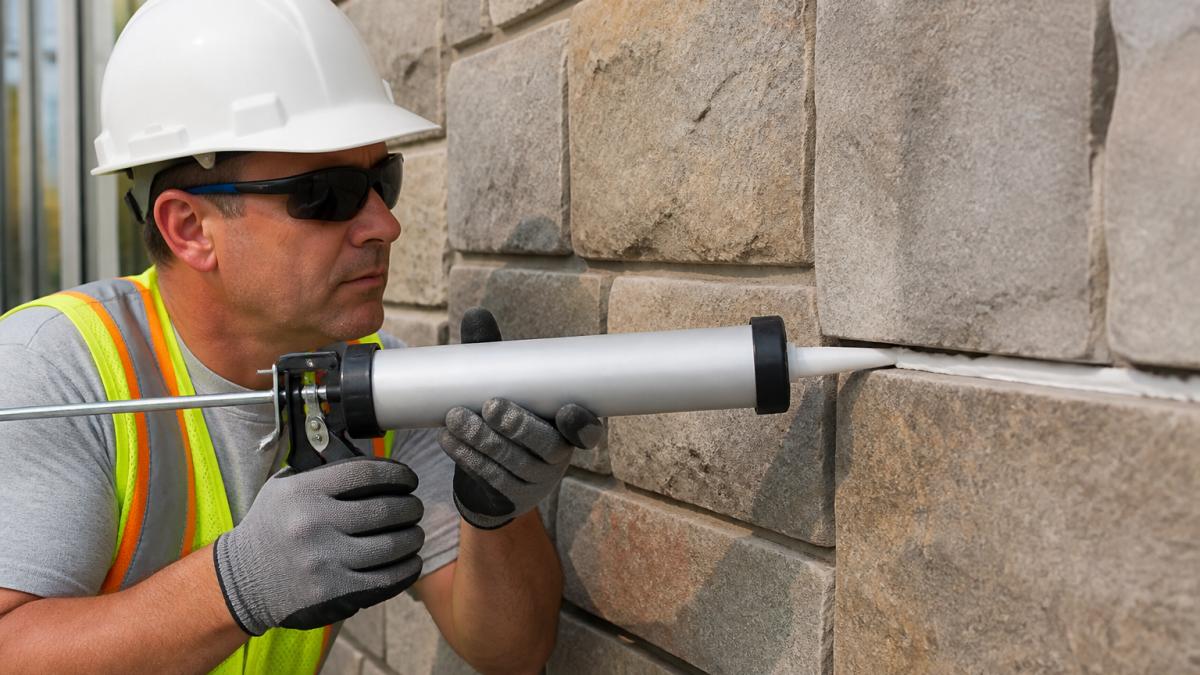
At ShopGeocel, we've spent over 50 years developing sealants tailored to the demands contractors and builders face.
The Cost of Choosing Wrong
A generic silicone might seem cheaper per cartridge, but if it fails to bond to metal roofing or doesn't flex with masonry movement, you're looking at re-work, complaints, and potential liability, and water intrusion compounds the cost.
Contractors who've switched to specialized formulas report fewer callbacks and longer intervals between maintenance visits, because substrate-specific engineering means better adhesion, flexibility, and durability.
Substrate-Specific Engineering Makes the Difference
Not all surfaces are equal. Masonry absorbs moisture differently than metal, glass doesn't expand and contract like roofing membranes, and wood moves seasonally in ways aluminum doesn't.
Specialized sealants account for these differences. Polyurethane grips porous substrates like stone and masonry through chemical bonding. Silicone adheres to non-porous surfaces like glass and metal without primers.
Types of Construction Sealants and Their Strengths
Understanding the main sealant chemistries helps you match the right product to your project conditions.
Polyurethane Sealants for Masonry and Stone
Polyurethane sealants cure through moisture exposure, forming a flexible, weather-resistant bond that grips porous substrates.
Geocel 3300® Professional Grade Polyurethane Sealant delivers non-sag performance, minimal shrinkage, and primerless adhesion on stone, masonry, and ceramics. It hardens as it draws moisture from the substrate and air, stays flexible for years, is paintable, and contains no TDI.

Hybrid Sealants for Multi-Substrate Flexibility
Hybrid sealants combine polyurethane and silicone chemistry, delivering structural-grade adhesion across roofing materials, glass, aluminum, fiber cement, masonry, and wood.
Geocel 4600™ Hybrid Structural Adhesive Sealant handles this multi-substrate challenge with flexible, UV-resistant performance.

When color matching is essential, particularly on metal roofing and siding, Geocel 4350™ Hybrid Construction Sealant offers 18 panel-matched colors aligned with manufacturer palettes.
Silicone Sealants for Non-Porous Surfaces
Silicone sealants bond strongly to glass, metal, and other non-porous surfaces where polyurethane struggles. They form a durable, mildew-resistant seal that withstands ±25% joint movement, and their water resistance and UV stability suit intense sunlight and moisture cycling.
Geocel 8125® 100% Silicone Sealant delivers high-modulus performance on non-porous substrates. It meets ASTM C 920, carries FDA/USDA approval for food-contact applications, resists mildew in high-moisture environments, and applies in adverse temperatures.

Asphalt-Based Roof Cement for Wet Conditions
Asphalt-based roof cement solves a problem most sealants cannot: it cures on wet surfaces, even underwater.
Geocel RP-400® Wet-Dry Surface Roof Cement remains soft and pliable through temperature swings, seals quickly without losing bond, and works on asphalt, steel, brick, wood, and aluminum. The asbestos-free formulation meets modern safety standards.
How to Choose a Construction Sealant for Your Project
Selecting the right sealant means matching three factors: substrate, environmental exposure, and joint movement.
Identify Your Substrate and Environmental Exposure
Start by naming the materials you're sealing: masonry, metal, glass, roofing membrane, or a combination. Then consider exposure: interior or exterior, direct sunlight, water immersion, thermal cycling, or chemical exposure.
Porous substrates like masonry and stone benefit from polyurethane's moisture-cure chemistry. Non-porous surfaces like glass and coated metal require silicone or hybrid chemistries, and multi-substrate projects call for hybrids that bridge material types.
Evaluate Movement and Flexibility Requirements
Joints move. Thermal expansion, settlement, vibration, and seasonal moisture changes all stress the sealant, and one that doesn't flex will crack, allowing water and air infiltration.
High-movement joints, especially structural applications or significant thermal cycling, require sealants rated ±25% or higher. Lower-movement applications like interior trim joints may tolerate ±12.5% to ±15%.
Consider Application Conditions and Temperature
Weather and temperature during application matter. Some sealants require dry surfaces and warm temperatures; others, like asphalt-based roof cement and certain hybrids, apply in wet or cold conditions.
Cure time affects scheduling. Moisture-cure polyurethanes develop strength gradually as they absorb moisture, which can take days or weeks depending on humidity.
Construction Sealant Surface Preparation Determines Bond Success
The best sealant fails if the surface isn't prepared correctly. Dirt, old sealant residue, moisture, and contaminants block adhesion. Proper preparation is the foundation of a lasting seal.
Clean, Dry Surfaces for Maximum Adhesion
Remove all old sealant, paint, rust, dirt, and debris from the joint.
After mechanical cleaning, wipe the joint with a damp cloth to remove dust, then let it dry completely. Moisture interferes with cure and bond development; in humid environments, use a heat gun or compressed air to speed drying.
Geocel 3300® Professional Grade Polyurethane Sealant →
Primer Requirements by Substrate Type
Some substrates require primer. Porous materials like unsealed concrete or brick may need primer to control moisture absorption.
Specialized sealants often eliminate primer requirements on their target substrates: polyurethanes bond primerless to masonry, hybrids adhere across multiple materials, and silicones bond directly to glass. The product data sheet tells you whether primer is necessary; when in doubt, apply primer.
Construction Sealant Cure Time and Performance Timeline
Understanding cure behavior helps you schedule work and manage client expectations. The difference between "surface dry" and "fully cured" is significant.
Moisture-Cure Versus Solvent-Cure Sealants
Moisture-cure sealants like polyurethanes absorb water from the air and substrate, triggering a chemical reaction that hardens the material.
Solvent-cure sealants dry as their solvent evaporates, typically reaching handling strength in hours rather than days. They may be less flexible long-term and can emit odors during curing.
Cure Speed and Project Scheduling
Check the product data sheet for cure times specific to your conditions.
Plan your schedule around full cure, not surface dryness. Painting, exposing the sealant to water, or stressing the joint before cure completes will compromise the seal. Specialized sealants are engineered with cure profiles that match typical workflows.
Specialized Sealants for Demanding Applications
Certain projects push sealants to their limits. Underwater repair, extreme thermal cycling, high-movement structural joints, and harsh chemical exposure all require sealants engineered for those conditions.
Underwater and Wet-Surface Repair
Repairing a leak on a submerged pool deck or an active roof with standing water challenges most sealants: water interferes with the chemical reactions that harden traditional products. Asphalt-based roof cement cures through a different mechanism that actually benefits from water presence. Learn deeper technical details about sealant selection for underwater and marine leak repair scenarios.
Geocel RP-400® Wet-Dry Surface Roof Cement is designed for exactly this scenario. The sealant cures on wet surfaces, even underwater, making it invaluable for emergency repairs where waiting for the surface to dry isn't an option.
Color-Matched Metal Roofing and Siding
Metal roofing and siding systems rely on color-matched sealants to maintain visual integrity. A mismatched sealant stands out and may fail to bond if it isn't engineered for the panels' specific coating system.
Hybrid sealants like Geocel 4350™ Hybrid Construction Sealant offer 18 panel-matched colors aligned with manufacturer palettes.
High-Movement Joints and Structural Bonds
Structural joints, particularly in areas subject to seismic activity, vibration, or significant thermal cycling, experience movement that exceeds standard ±12.5% capability.
These applications demand products engineered for the movement profile and substrate combination. A standard sealant in a high-movement joint guarantees failure; specialized sealants eliminate that risk by matching flexibility and strength to the actual stresses.
Selecting the Right Sealant for Your Next Project
Polyurethane grips masonry and stone. Silicone bonds non-porous surfaces. Hybrids bridge multiple materials. Asphalt-based roof cement cures underwater.
Professionals who've switched to specialized sealants know the small upfront cost difference pays dividends in performance and durability.
| Application | Best Sealant Type | Key Reason |
|---|---|---|
| Masonry, stone, concrete | Polyurethane | Moisture-cure chemistry bonds porous substrates; primerless adhesion |
| Metal roofing, siding panels | Hybrid (color-matched) | Adheres to coatings; accommodates thermal movement; color options available |
| Glass, non-porous surfaces | Silicone | Strong bond to smooth surfaces; mildew resistant; ±25% movement capability |
| Underwater, wet-surface repair | Asphalt-based roof cement | Cures in presence of water; seals quickly without losing bond |
| Multi-substrate projects | Hybrid | Bonds across roofing, glass, aluminum, masonry, wood without primers |
| High-movement structural joints | Polyurethane or hybrid (±25%+) | Flexibility matches joint stress; resists cracking over time |
According to ASTM International's C-920 standard, sealant movement capability is classified by percentage, a Class 50 sealant accommodates ±50% movement, while lower classes are rated for ±12.5% or ±25%.
The American Society for Testing and Materials publishes extensive standards for construction sealants, covering adhesion, flexibility, durability, and environmental resistance.
Research from the National Institute of Building Sciences emphasizes that surface preparation and sealant selection are the two factors most strongly correlated with seal longevity. Proper preparation combined with a substrate-specific sealant delivers performance that generic alternatives cannot match.
Frequently Asked Questions
What are the main types of construction sealants?
Construction sealants fall into four primary categories: polyurethane, silicone, hybrid, and asphalt-based formulas. Polyurethane sealants excel on masonry and stone, withstanding weather and movement. Silicone sealants bond strongly to non-porous surfaces like glass and metal. Hybrid sealants combine the benefits of both, working across multiple substrates with excellent color-matching options. Asphalt-based roof cement specializes in wet-surface and underwater applications. Each type is engineered for specific substrates and conditions, which is why specialized construction sealants outperform one-size-fits-all products.
Can construction sealants cure underwater?
Yes, certain specialized construction sealants are formulated to cure on wet or underwater surfaces. Asphalt-based roof cement, such as Geocel RP-400, is specifically designed for this purpose and will not lose its bond even when applied to submerged surfaces or wet roof decks. This capability makes specialized sealants invaluable for emergency leak repairs on pools, ponds, and flooded structures where standard sealants would fail. Always check the product specifications to confirm underwater application capability before starting the job.
How do I prepare a surface before applying construction sealant?
Surface preparation is critical to sealant adhesion. Clean the joint thoroughly to remove dirt, dust, old sealant, and debris using a wire brush or pressure washer. Allow the surface to dry completely unless the sealant is designed for damp conditions. For porous substrates like masonry and concrete, a primer may be required depending on the sealant chemistry; polyurethane sealants often bond without primer, while some applications benefit from one. Ensure the joint width matches the sealant's movement capability, and check that the substrate is stable and not actively leaking before sealing.
How long does construction sealant take to cure?
Cure time varies by sealant chemistry and environmental conditions. Moisture-cure sealants like polyurethane depend on humidity and depth of the bead; they typically reach initial set in 24 hours but full cure in 7-14 days. Hybrid sealants cure faster, often in 24-48 hours. Asphalt-based roof cement seals quickly and resists temperature change without a long cure window. Temperature, humidity, and joint depth all affect final cure time. Always check the product data sheet and allow full cure before exposing the joint to movement, water, or paint.
Why should I use a specialized construction sealant instead of a standard hardware store product?
Specialized sealants are engineered for specific substrates, movement ranges, and environmental conditions. A standard silicone from the hardware store may bond poorly to metal panels, fail under high joint movement, or crack when exposed to thermal expansion. Specialized formulas like polyurethane for masonry or hybrid sealants for metal roofing deliver superior adhesion, flexibility, durability, and color matching. They also meet building codes and standards like ASTM C-920, which generic products often do not. The higher upfront cost is offset by fewer callbacks, longer service life, and the structural reliability your reputation depends on.
Do I need a different sealant for each substrate, or can one product do it all?
While hybrid sealants work across multiple substrates, the best practice is to match the sealant to the primary substrate and exposure. Polyurethane excels on masonry and stone; silicone performs best on glass and non-porous surfaces; hybrid sealants bridge multiple materials like roofing, aluminum, and fiber cement. Using the right sealant for your specific substrate ensures maximum adhesion, flexibility, and durability. If your work spans diverse materials, stocking two or three specialized products is more reliable than relying on one all-purpose formula that may underperform on critical joints.
What does 'primerless adhesion' mean, and can I trust it?
Primerless adhesion means the sealant bonds directly to the substrate without a separate primer coat. Many polyurethane and hybrid sealants achieve this through their chemistry and surface-wetting properties. However, primerless does not mean 'no prep', the surface must still be clean, dry, and stable. On weathered, chalky, or heavily contaminated surfaces, a primer may still improve adhesion. Specialized sealants designed for primerless application have been tested on their target substrates and meet adhesion standards; however, always follow the product's surface preparation guidelines and test on a small area if the substrate is unusual or heavily weathered.
What standards do professional-grade construction sealants meet?
Professional-grade sealants typically meet ASTM C-920, the standard for elastomeric joint sealants in building construction. This standard defines movement capability (Class 50 means ±50% joint movement), adhesion, durability, and weather resistance. Some sealants also meet TT-S-00230-C (federal specification for silicone rubber sealant) and FDA/USDA approval for food-contact applications. Meeting these standards ensures the sealant has been tested for performance, durability, and compatibility with building materials. Always verify that the product you choose meets the relevant standards for your application and local building codes.
